Professional Hardwood Floor Refinishing
Restore your floors' original beauty with expert refinishing. From dustless sanding to custom stains and durable finishes, transform worn floors to stunning showpieces.
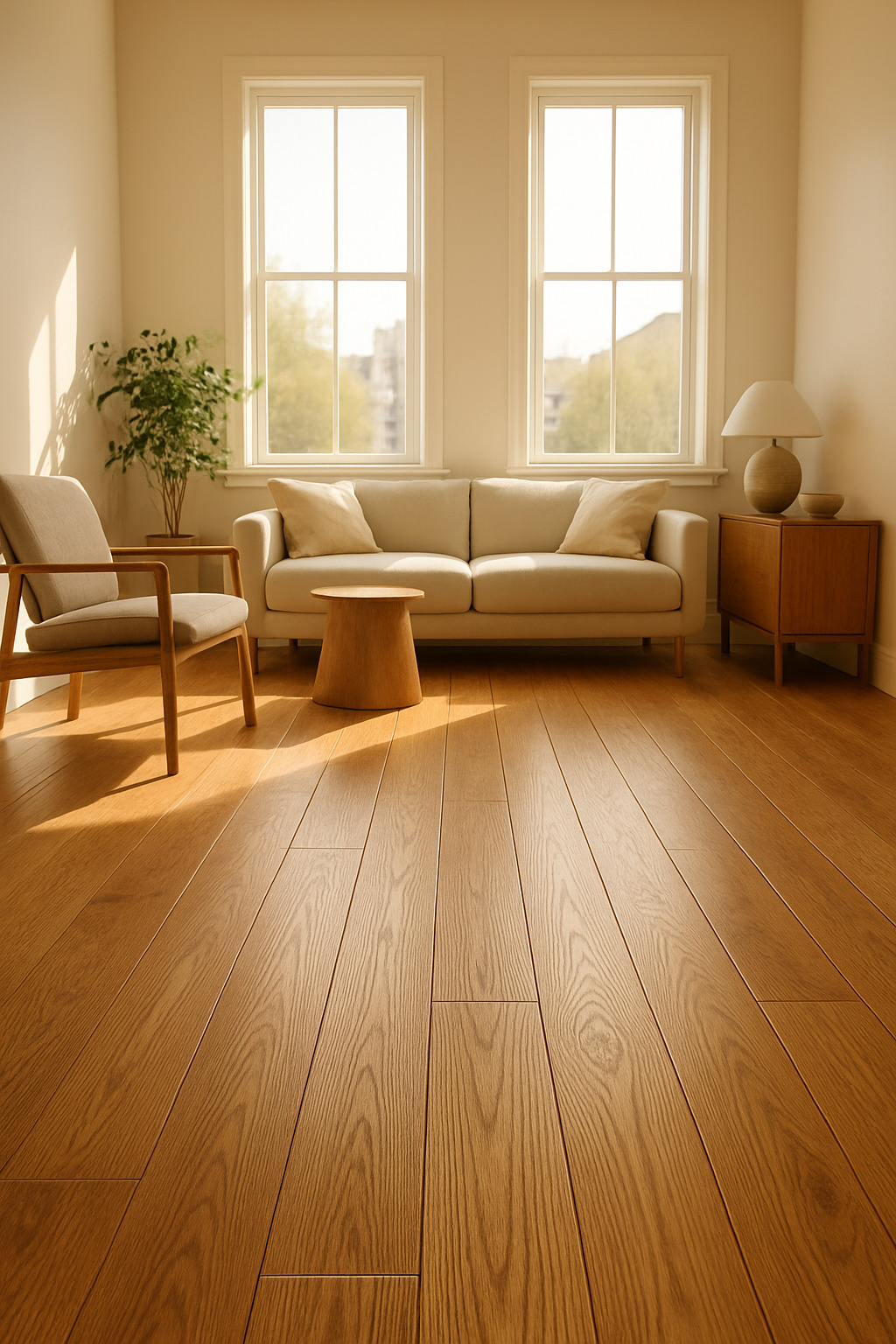
Why Refinish Your Hardwood Floors?
Hardwood floor refinishing breathes new life into worn, scratched, or dated floors, restoring their original beauty at a fraction of replacement cost. Professional refinishing not only enhances your home's appearance but also protects the wood, extends floor life by decades, and can increase property value. With modern dustless techniques and durable finishes, refinishing is an investment that transforms your space while preserving the character and warmth only real hardwood provides.
Signs Your Floors Need Refinishing
Visual Indicators
- Worn finish - Dull areas where finish has worn through
- Deep scratches - Scratches penetrating through finish to wood
- Discoloration - Gray or black areas from water damage
- Board separation - Gaps between boards from seasonal movement
- Sun fading - Uneven color from UV exposure
Performance Issues
- Water no longer beads on surface
- Rough texture catching socks or pet paws
- Squeaking or loose boards
- Difficulty cleaning due to worn finish
- Splinters or raised grain
When NOT to Refinish
- Engineered wood with thin veneer (less than 2mm)
- Floors already refinished multiple times
- Severe structural damage requiring replacement
- Laminate flooring (cannot be refinished)
- Minor surface scratches (try recoating instead)
The Professional Refinishing Process
1. Assessment & Preparation
- Inspect floor thickness and previous refinishing
- Test for lead paint (homes built before 1978)
- Remove all furniture and wall decorations
- Seal off work area to contain dust
- Remove or protect baseboards
2. Sanding Process
- Coarse sanding - Remove old finish and level floor (36-60 grit)
- Medium sanding - Smooth surface and remove scratches (80 grit)
- Fine sanding - Prepare for finish application (100-120 grit)
- Edge sanding - Detail work along walls and corners
- Vacuum and tack - Remove all dust between grits
3. Staining (Optional)
- Apply wood conditioner for even stain absorption
- Test stain colors in inconspicuous area
- Apply stain evenly following grain direction
- Remove excess and allow proper drying time
- May require multiple coats for darker colors
4. Finishing Application
- First coat - Seal wood and raise grain slightly
- Light sanding - Smooth raised grain (220 grit)
- Second coat - Build protection and sheen
- Final coat(s) - Achieve desired durability and appearance
- Curing time - Allow proper hardening before use
Choosing the Right Finish
Oil-Based Polyurethane
- Pros: Extremely durable, amber glow enhances wood, self-leveling
- Cons: Strong odor, 24hr dry time between coats, yellows over time
- Best for: Traditional homes, high-traffic areas
- Sheen options: Matte, satin, semi-gloss, gloss
Water-Based Polyurethane
- Pros: Low odor, fast drying (2-4 hours), crystal clear
- Cons: More expensive, requires more coats, raises grain more
- Best for: Light woods, contemporary looks, quick turnaround
- Durability: Excellent with modern formulations
Swedish Finish (Acid-Cured)
- Pros: Extremely hard and durable, beautiful clarity
- Cons: High VOCs, requires vacating home, professional only
- Best for: Commercial spaces, sports floors
- Note: Less common due to environmental concerns
Hard Wax Oil
- Pros: Natural look and feel, spot-repairable, low VOCs
- Cons: Requires more maintenance, less water protection
- Best for: Low-traffic areas, natural aesthetics
- Maintenance: Annual reapplication in traffic areas
Dustless Sanding Technology
Modern dustless systems have revolutionized floor refinishing:
How It Works
- Powerful vacuum systems attached directly to sanders
- HEPA filtration captures particles down to 0.3 microns
- Continuous suction maintains negative air pressure
- Specialized attachments for edges and details
Benefits
- Health protection - Minimal airborne dust exposure
- Cleaner process - Less cleanup throughout home
- Stay in home - No need to relocate during work
- Protect belongings - Reduces dust on furniture/electronics
- Better results - Cleaner surface for finish application
Caring for Newly Refinished Floors
First 30 Days
- Wait 24-48 hours before walking (socks only)
- No shoes for first week
- Wait 2 weeks before replacing furniture (use felt pads)
- No area rugs for 30 days (finish needs to fully cure)
- Avoid wet cleaning for first month
Long-Term Maintenance
- Use manufacturer-recommended cleaners only
- Maintain 30-50% humidity year-round
- Place mats at entrances to reduce grit
- Felt pads on all furniture legs
- Recoat every 3-5 years to maintain protection
What to Avoid
- Wet mopping or steam cleaning
- Ammonia or vinegar-based cleaners
- Wax or oil soaps (create buildup)
- Abrasive cleaning tools
- Dragging furniture across floor
Refinishing Cost Factors
Base Refinishing Rates
- Standard refinishing - $3-5 per sq ft
- With stain color change - $4-6 per sq ft
- Premium finishes - $5-8 per sq ft
- Screen and recoat only - $1-3 per sq ft
- Stairs - $40-75 per step
Additional Services
- Board replacement - $35-60 per board
- Gap filling - $2-4 per sq ft
- Pet stain treatment - $75-150 per area
- Subfloor repairs - $300-800 per room
- Custom borders/inlays - $15-50 per linear foot
Factors Affecting Price
- Current floor condition and repair needs
- Room layout complexity and accessibility
- Number of finish coats desired
- Geographic location and seasonality
- Type of wood and grain pattern
Why Choose Professional Refinishing
Equipment & Expertise
- Commercial-grade sanders worth $5,000+
- Knowledge of different wood species requirements
- Experience avoiding common mistakes
- Proper technique prevents gouging and swirl marks
- Understanding of finish chemistry and application
Time & Quality
- Complete job in 3-5 days vs 2-3 weeks DIY
- Consistent, professional-grade results
- Proper dust containment protects home
- Warranty on workmanship
- Insurance coverage for any damage
Common DIY Pitfalls
- Drum sander gouges from inexperience
- Uneven sanding creating waves
- Poor edge work leaving visible lines
- Contamination between finish coats
- Inadequate dust control throughout home
Frequently Asked Questions About Refinishing
Frequently Asked Questions
Ready to Restore Your Floors?
Connect with experienced refinishing professionals in your area. Get free estimates, compare options, and transform your worn floors to beautiful showpieces.